




The world of British television has lost one of its most respected and recognizable figures. John Stapleton, a seasoned journalist and broadcaster, passed away at the age of 79. For more than four decades, he was a familiar face on television screens, guiding viewers through moments of national celebration, tragedy, and change. His voice and presence became synonymous with reliability, professionalism, and integrity in journalism.
Early Life and Beginnings
Born in Oldham in 1946, John Stapleton developed an interest in news and society at an early age. Like many great journalists, he began his career in print, cutting his teeth at local newspapers. The newsroom sharpened his instincts and grounded him in the fundamentals of good reporting: accuracy, balance, and clarity. Those skills would later define his career on television, where his calm and authoritative style won him both respect and affection.
From Print to Television
By the mid-1970s, Stapleton had transitioned into broadcasting. He quickly adapted to the demands of live television, where stories unfolded in real time and presenters were expected to respond instantly. His ease in front of the camera, coupled with his clear communication, made him stand out. Audiences felt they could trust him, and colleagues admired his ability to remain composed under pressure, even when technical issues or breaking news disrupted carefully laid plans.
Covering National and Global Events
Stapleton was not only a studio anchor but also a reporter who ventured into the field. From political developments to wars and humanitarian crises, he often placed himself at the heart of unfolding events. During times of global conflict and natural disaster, he reported with accuracy and empathy. His dispatches from conflict zones provided viewers with insight and context, demonstrating his courage and deep commitment to truthful storytelling.
Pioneer of Breakfast Television
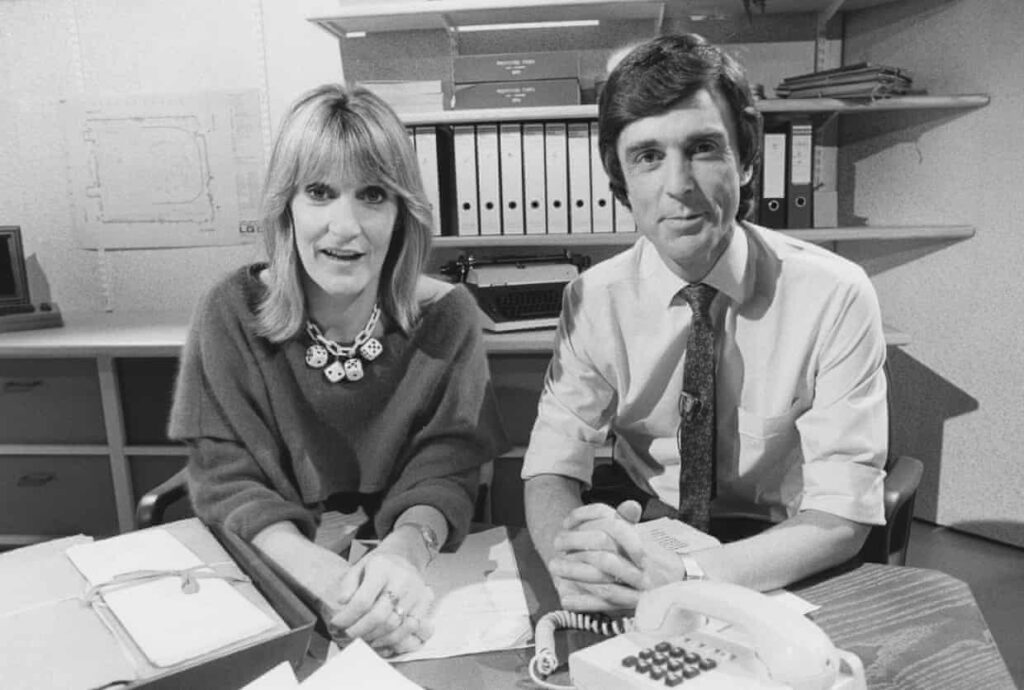
The 1980s saw the rise of breakfast television in the UK, and John Stapleton became one of its pioneers. He brought warmth and credibility to morning news programs, striking the right balance between seriousness and accessibility. For many households, the day began with his voice and presence. He showed that breakfast television could be informative as well as entertaining, setting a standard that influenced the format for years to come.
Champion of Consumer Journalism
One of the most influential chapters of his career came when he co-presented consumer affairs programming. His work in this field helped empower viewers, exposing unfair practices and giving ordinary people a platform to fight for their rights. This style of journalism not only informed but also protected consumers, making him a trusted advocate for the public. His contribution in this area helped pave the way for an entire generation of consumer-focused broadcasters.
Family and Personal Struggles
Away from the spotlight, Stapleton valued family life deeply. His later years were marked by personal challenges, including his battle with Parkinson’s disease. Yet he remained remarkably positive, often remarking that optimism was the only sensible approach to life’s difficulties. Even as his health declined, he continued to inspire others with his determination. He also took part in charity activities, showing that his sense of duty extended beyond journalism.
Professional Recognition
Throughout his career, Stapleton earned recognition for his broadcasting excellence. His reporting from war zones and his balanced, incisive interviewing style earned him industry awards. Yet beyond the accolades, it was his reputation among peers and viewers that cemented his legacy. Colleagues remembered him as generous with his time, a natural mentor, and someone who treated everyone with kindness. His professionalism never diminished his humanity.
Love of Football and Personal Passions
Outside of the newsroom, Stapleton was a passionate supporter of Manchester City. Football was one of his great loves, providing him with joy and escape from the pressures of journalism. He often said that if he had not become a journalist, he would have spent more of his life simply traveling to follow his beloved team. Those who knew him well often spoke about how football gave him not just entertainment but also a sense of belonging.
Admiration and Tributes
News of his passing sparked an outpouring of tributes from colleagues, public figures, and viewers alike. He was remembered as a professional giant but also as a genuinely kind, approachable man. Many pointed out that he had no enemies in an industry often known for rivalries and egos. Viewers recalled his warmth and humor, while co-workers described him as both a role model and a friend. The tributes highlighted not just his career achievements, but also the decency and generosity of his character.
An Irreplaceable Voice in Broadcasting
John Stapleton’s passing marks the end of an era in British broadcasting. For generations, his presence on television represented stability and trust. He reported with honesty, interviewed with fairness, and presented with compassion. His voice was not just a conveyor of facts, but a source of reassurance during times of uncertainty.
Conclusion
John Stapleton’s career embodied the very best of journalism: courage, accuracy, fairness, and humanity. He began with the basics of local reporting and rose to become one of Britain’s most respected broadcasters. His legacy is not confined to the programs he presented or the stories he covered, but to the countless viewers he informed, comforted, and inspired.
His death is a loss for journalism, but his life remains a testament to the power of integrity in the media. For those who value truth, fairness, and humanity in news, John Stapleton will always be remembered as a guiding light.
John Stapleton (1946–2025): a journalist of principle, a broadcaster of rare skill, and above all, a man who touched lives both on and off screen.
Also Read: