



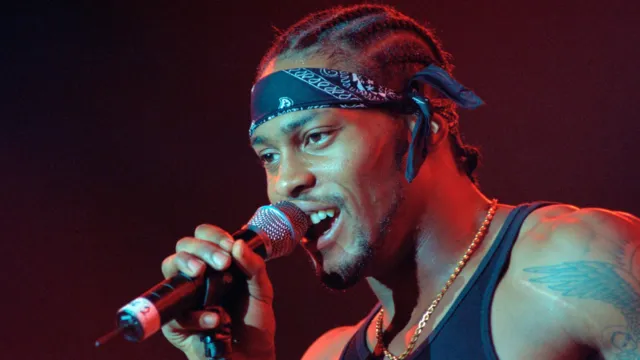
The world of music is mourning the loss of one of its most influential and soulful voices. D’Angelo, the American singer, songwriter, and multi-instrumentalist, has died at the age of 51. Known as a visionary artist who reshaped modern R&B and soul, his legacy continues to echo through every note of the genre he helped redefine — neo-soul.
When D’Angelo released his debut album Brown Sugar in July 1995, the R&B landscape was dominated by stars like TLC, Mary J. Blige, and Janet Jackson. The sound of the time leaned toward upbeat, pop-influenced tracks designed for radio play. But D’Angelo, born Michael Eugene Archer, took a different approach. He infused his music with the warmth and emotional depth of classic soul while blending it with elements of hip-hop beats, jazz, and funk. The result was something entirely new — a sound that felt nostalgic yet revolutionary.
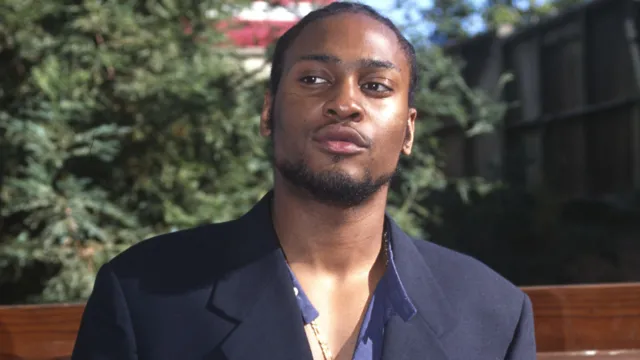
“Brown Sugar” wasn’t just an album; it was the birth of a new genre. Music critics and fans alike began referring to D’Angelo’s sound as “neo-soul”, a term that would go on to define an entire movement. His smooth, smoky vocals and laid-back grooves captured the intimacy of 1970s soul legends like Marvin Gaye and Curtis Mayfield, but with a modern edge that resonated with a new generation.
The album’s success was immediate. Songs like “Brown Sugar,” “Lady,” and “Cruisin’” became anthems for lovers of soulful, slow-burning R&B. Beyond commercial success, however, the album’s influence was far-reaching. It inspired a wave of artists — including Erykah Badu, Maxwell, Jill Scott, and Alicia Keys — who would go on to carry the neo-soul torch into the 2000s.
In the years that followed, D’Angelo’s reputation as a perfectionist grew. He was known for his deep commitment to musical authenticity, often spending years crafting his sound. His follow-up album, Voodoo (2000), took his artistry even further. With raw, organic production and complex rhythms, it cemented his status as one of the most innovative musicians of his time. The single “Untitled (How Does It Feel)” became a cultural phenomenon — both for its sensual music video and for its deeply emotional delivery.
However, fame came at a price. The intense spotlight and industry pressure took a toll on D’Angelo’s mental health and personal life. After years away from the public eye, he made a powerful comeback in 2014 with the critically acclaimed album Black Messiah, which addressed themes of race, politics, and identity. The album reminded the world that D’Angelo’s music wasn’t just about love and passion — it was about truth, struggle, and spiritual resilience.
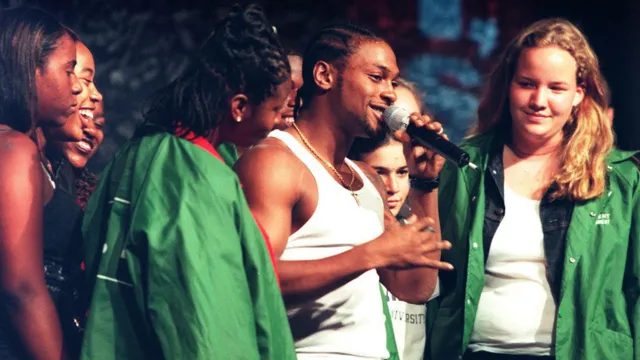
Even decades after his debut, D’Angelo’s influence can be felt across modern R&B and hip-hop. Artists such as Frank Ocean, Anderson .Paak, H.E.R., and Giveon often cite him as a major inspiration. His songs continue to appear on playlists with titles like “Chilled Soul Classics” and “Relaxed Evening Vibes”, soundtracking everything from quiet nights at home to romantic dinners.
Welsh hip-hop artist Lemfreck, speaking to BBC’s Newsbeat, summed up D’Angelo’s enduring impact perfectly:
“That neo-soul sound from the ’90s and 2000s is the base layer for every single kind of R&B you hear today.”
D’Angelo’s artistry was never about trends or fame — it was about connection. He believed in music that spoke to the soul, that lingered long after the final note. His voice, rich and raw, carried a sense of vulnerability that made listeners feel both comforted and understood.
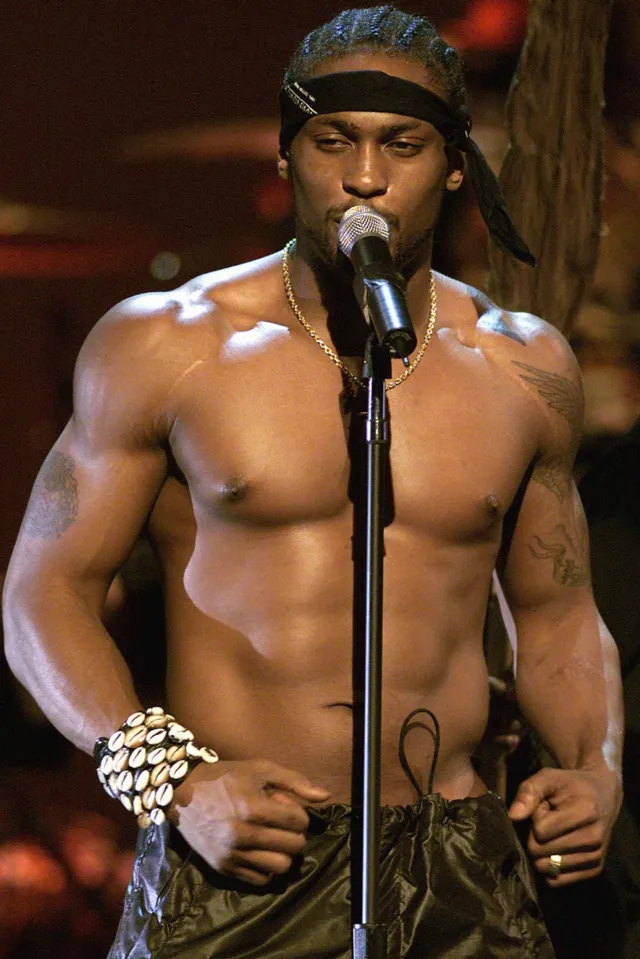
Though he may be gone, his spirit lives on through the countless artists and fans who were shaped by his sound. D’Angelo didn’t just make music — he redefined what soul could be.
🖤 D’Angelo’s legacy reminds us that true artistry never fades — it evolves, inspires, and continues to sing through time.


D’Angelo: The Musical Pioneer Who Redefined Soul
ebimwnopfj http://www.g9uc25e4j6kc723xr988wwetx7g20f32s.org/
[url=http://www.g9uc25e4j6kc723xr988wwetx7g20f32s.org/]uebimwnopfj[/url]
aebimwnopfj