


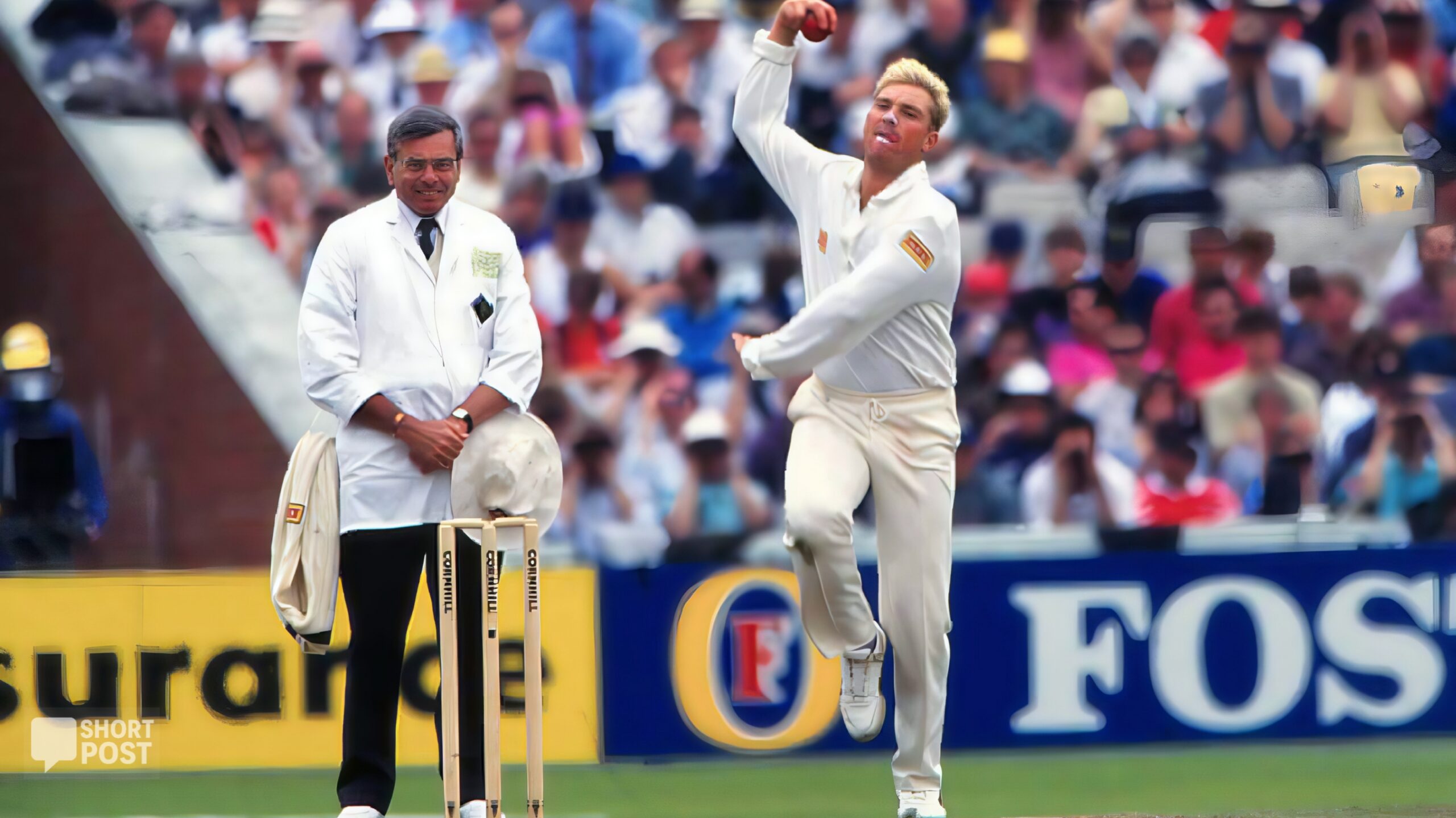
Dickie Bird’s cricketing journey did not begin with the umpire’s white coat but with a bat in hand. He was a determined young batsman who dreamed of shining for Yorkshire. On the village grounds of Barnsley, he was a star — scoring half-centuries that earned him admiration and weekly collections. His technique was sound, but nerves were his constant enemy. Teammates often noticed him shaking and trembling before stepping onto the pitch, his anxious energy clouding his natural ability.
At the county level, reality hit harder. Though respected as a solid player, Bird could not cement a regular place in the Yorkshire side. The step up in pressure magnified his nervousness, and eventually he sought new opportunities at Leicestershire. But consistency continued to elude him. His playing career, though promising, never quite reached the heights he had once imagined.
Yet destiny had other plans. Cricket was not finished with him, and Bird was not ready to abandon the game he loved. When he put on the iconic white coat and flat cap, everything changed. Out in the middle, anxiety gave way to a remarkable sense of calm and belonging. As an umpire, he discovered his true calling — a role in which he would not only survive but thrive, earning respect from legends of the game and love from fans worldwide.

The Umpire with Humour and Authority
As an umpire, Dickie Bird quickly became more than just the man in the middle — he became an icon of the sport. What set him apart was not only the accuracy of his decisions but also his unique ability to defuse tension. In matches where tempers flared, especially with fiery fast bowlers like Dennis Lillee or Jeff Thomson, Bird could step forward, raise his hand, and calm the storm. Players who argued with everyone else would stop when Dickie spoke. That respect was rare, and it was genuine.
His secret weapon was humour. Bird could turn the most heated exchanges into light-hearted moments. Once, in an Ashes Test, Lillee’s temper boiled over, and the game threatened to spiral. Bird called him over for a private chat. Nobody knows exactly what he said, but moments later Lillee was laughing uncontrollably, and the match carried on smoothly. Such moments showed that Bird’s charm was as important as his authority.
There were also countless anecdotes that fans and players still recall with a smile. Like the day Allan Lamb handed him a massive early-model mobile phone to carry in his coat pocket. Minutes later, Ian Botham rang the phone while Bird stood on the field, much to the amusement of everyone watching. These light moments became part of his legend, reminding the world that cricket was not just about competition, but also about human connection and joy.
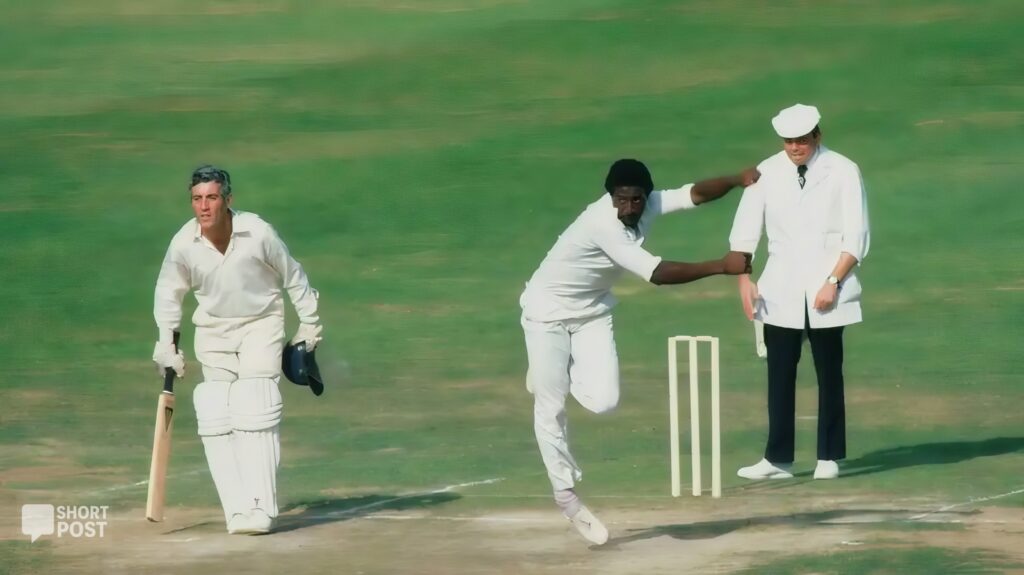
Over his illustrious career, Dickie Bird officiated in 66 Test matches and 69 One Day Internationals, including three World Cup finals. In 1996, he was awarded honorary life membership of the Marylebone Cricket Club (MCC), one of the highest honors in English cricket. His presence on the field was instantly reassuring, a blend of authority, fairness, and warmth.
When he stood for his final Test at Lord’s, the crowd’s standing ovation celebrated not just his decisions, but the personality and spirit he brought to cricket. Bird demonstrated that umpiring could carry both humanity and humour without sacrificing precision. He had the rare ability to make everyone—players, spectators, and fellow officials—feel included in the game.
Off the field, Bird never married, dedicating his life entirely to cricket. He maintained close ties with his family and hometown, bringing back small tokens and souvenirs that reflected his modest and caring nature. His autobiography became a publishing sensation, selling over a million copies. While he sometimes embellished stories for effect, these flourishes only added to the affection fans felt for the man behind the coat and cap.
What made Bird truly unique was his combination of professionalism and empathy. He made decisions that were respected, used humour to ease tense situations, and lived a life fully devoted to the game. Cricket was more than a profession for him—it was his identity.
Today, when fans remember the iconic figures of cricket, Dickie Bird sits comfortably among the legends. He proved that a person could leave an everlasting mark not just through runs or wickets, but through a steady presence, a warm smile, and an ability to connect with people. Wherever cricket is played—from Barnsley to Bridgetown to Brisbane—his legacy endures, and the sport is richer for his contribution.


[…] Dickie Bird: The White-Capped Legend Who Made Umpiring an Art […]